DICOM Presentation State: How It Works, How to Write One, How to Read One

The DICOM Presentation State (GSPS) allows you to save and retrieve the display settings and annotations applied to a diagnostic image without modifying its original pixels. This article provides an in-depth look at how the format works, from writing to Cornerstone3D to reading and rendering in Larvitar. It includes a technical analysis of the main DICOM conventions, implementation challenges, and the tests required to ensure correct display.
How to automate the sending of images, PDFs and DICOM files to the PACS

In this article, we discuss how to automate the sending of images, PDFs and other files to a PACS system, without having to develop a DICOM integration from scratch. Find out how DicomPulse Watcher simplifies the conversion, transmission and management of medical files.
Medical Imaging in the Cloud: The Market Over the Next 5 Years

The medical imaging market is shifting towards cloud-based solutions, accessible via browser and integrated with artificial intelligence. Discover the key trends that will shape the sector over the next five years, from technological innovation and interoperability to emerging regulatory challenges.
Type-Safe Design System in Vue 3: Eliminating Class Conflicts with CVA and tailwind-merge

Learn how to combine Vue 3, TypeScript, and Tailwind CSS to create more modular, predictable, and error-proof components. This article explains how to use CVA and tailwind-merge to manage style variants and prevent conflicts between CSS classes.
NixOS to Serverless: Moving from VM to AWS Fargate

Say goodbye to server management: here is how we migrated from a single NixOS VM to AWS Fargate managed services. Discover the benefits of building Docker containers directly with Nix and how to simplify deployment with Infrastructure as Code.
Beyond the Algorithm: How to Industrialize AI in Medical Imaging

Industrializing AI in medical imaging: from DICOM integration to model orchestration, turning an algorithm into a usable solution for clinical workflows.
Python in the browser: exploring the potential of PyScript
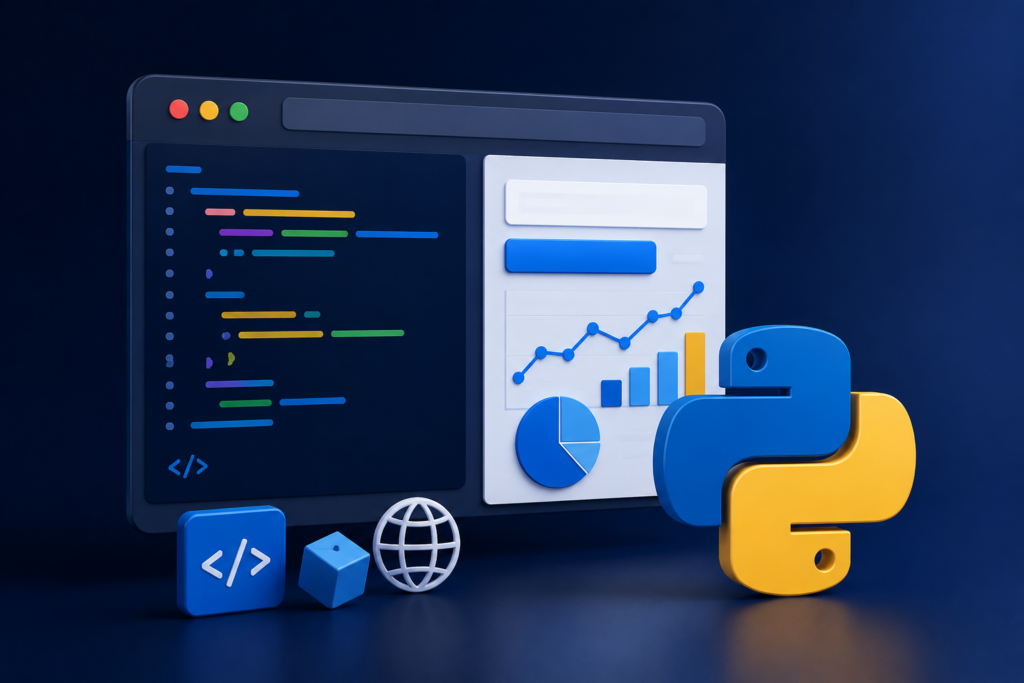
Discover the potential of PyScript to bring Python to the browser via WebAssembly. Advantages, limitations, and areas of application for the web.
Proprietary Pipelines, Zero-Hallucination AI: Medical Pre-Processing with Genetic Algorithms
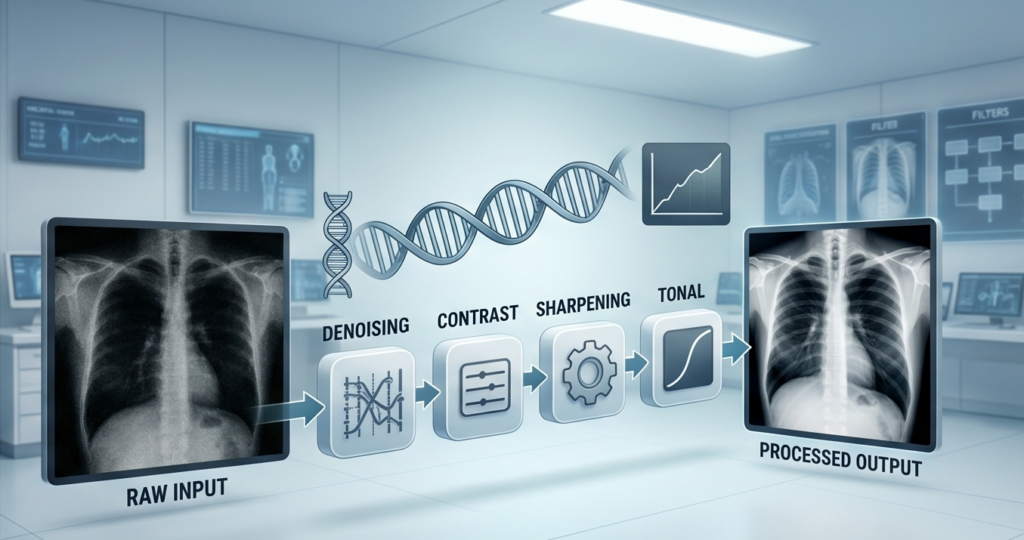
Medical image pre-processing based on deep learning models introduces high risks of visual hallucinations and regulatory compliance issues due to the black-box nature of neural networks. The use of genetic algorithms addresses these critical challenges, offering an automated, deterministic, and fully interpretable optimization that guarantees maximum diagnostic accuracy and vendor independence.
Introduction to Functional Programming with the Nix Language

In this guide dedicated to Nix language syntax, we will take a step-by-step look at how to get started with the REPL and understand the core pillars of functional programming. We have already discussed our infrastructure in previous posts, and we already mentioned how Nix is an incredibly useful tool for managing system configurations (or […]
From PACS to AI Dental Segmentation: TotalSegmentator and ToothFairy inside DICOM Vision®
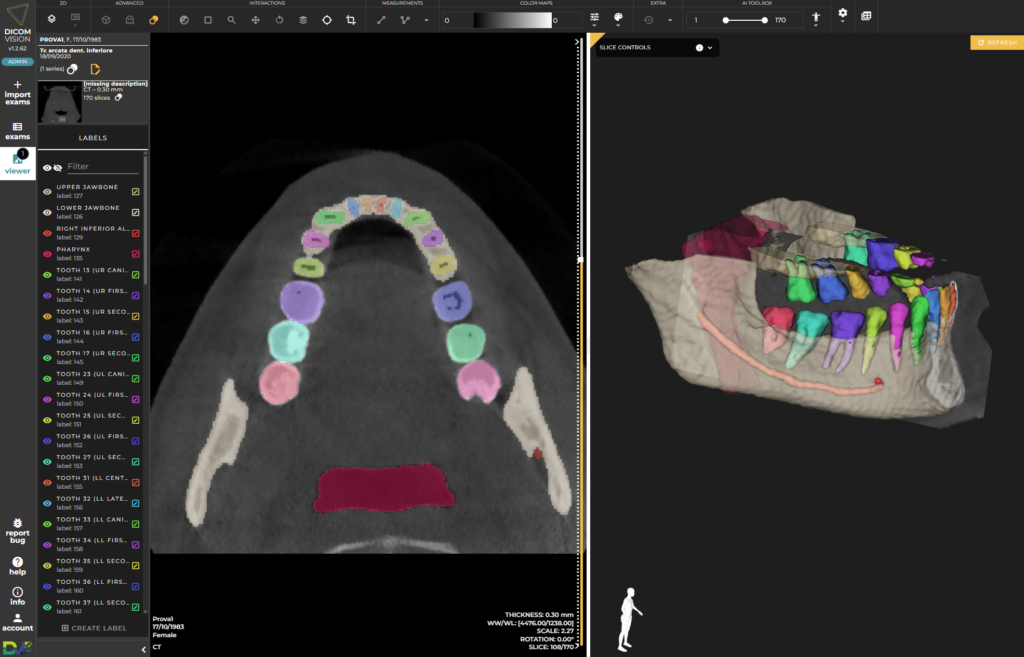
From PACS to AI dental segmentation: with DICOM Vision, we integrate TotalSegmentator and ToothFairy into a DICOM-native workflow that is smoother, more controlled, and closer to real-world medical imaging processes. An approach that reduces manual steps and makes AI easier to use, visualize, and review.